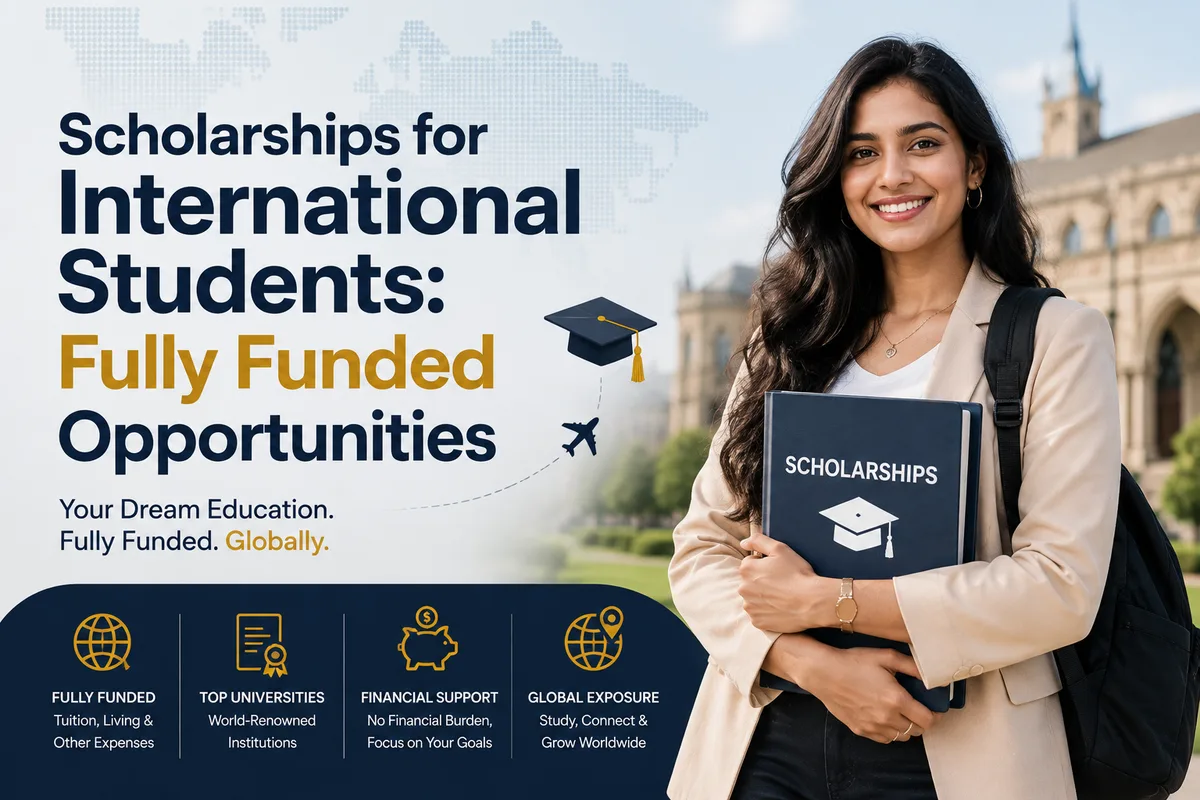
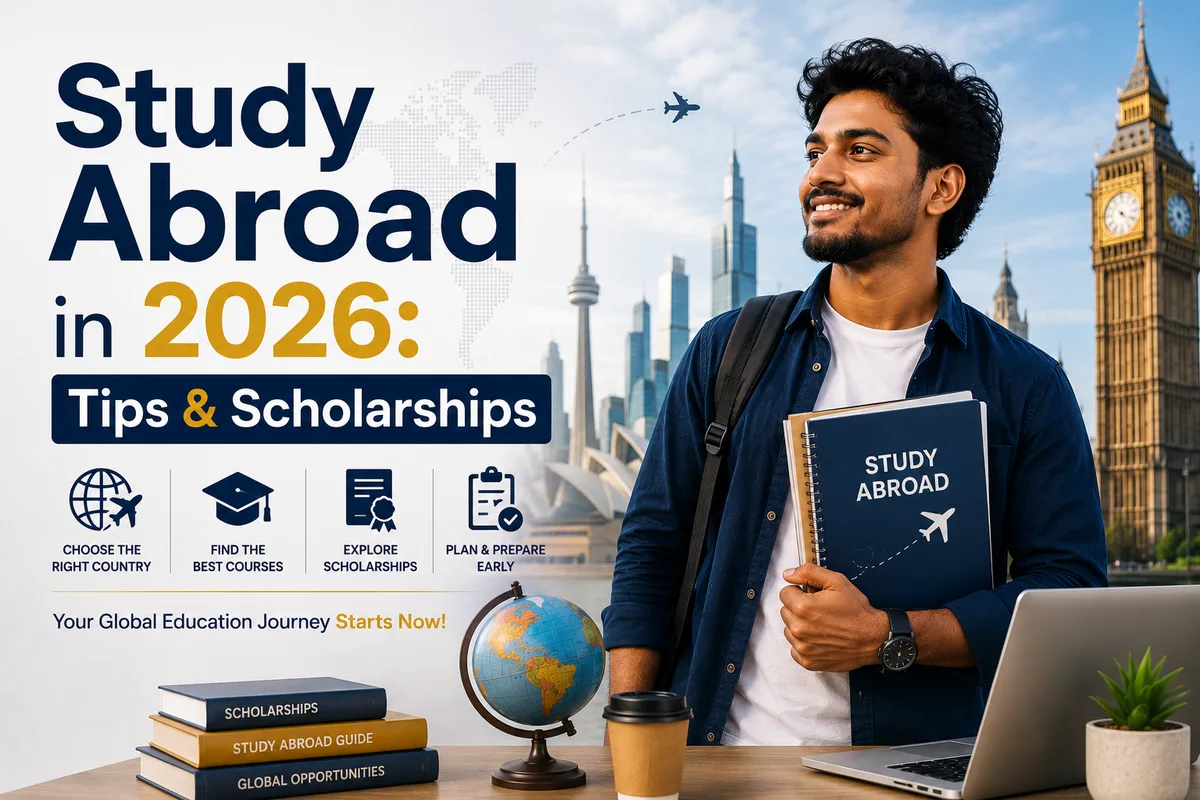
Discover how you can study abroad with our comprehensive guide. Explore top destinations, scholarships, and step-by-step planning to make your global education dream a reality in 2026. Every year, ambitious students across the globe ask themselves the same life-changing question: "how can i study abroad?" Embarking on an overseas educational journey is thrilling. The prospect of packing your bags, travelling to a foreign land, and immersing yourself in a new academic culture is incredibly exciting. If you are looking at the top destinations for international students in 2026, you are likely already dreaming of historic campuses and vibrant global cities.
However, moving overseas is more than just a fun adventure. The study abroad benefits are profound, ranging from immense personal growth to gaining a truly global perspective. Employers heavily value these experiences; the career benefits of global education include enhanced problem-solving skills, extreme adaptability, cross-cultural communication, and a robust international networking system. If you are wondering how to go abroad for studies, this comprehensive guide will walk you through the entire process, the top destinations, and everything you need to know about funding, applications, and visas.
1.Exploring Top Destinations for 2026
Choosing where to study is your first major hurdle. In 2026, traditional heavyweights remain popular, but emerging hubs are rapidly gaining traction among international applicants. When weighing up your options, you might find yourself comparing the undisputed giants of higher education: studying in UK vs USA for international students. The UK offers highly focused, shorter degree programmes (typically three years for a standard undergraduate degree), which can save you significant time and living costs. In contrast, the USA provides a flexible liberal arts approach, allowing students to explore various subjects before officially declaring a major. Canada and Australia are also exceptionally popular, offering fantastic post-study work visa routes that appeal to those looking to launch their careers abroad. Beyond academics, studying internationally allows you to immerse yourself in entirely new cultures, try exotic cuisines, and learn new languages firsthand. However, you do not have to limit yourself to the most expensive regions. If you are looking for affordable countries for overseas education, consider Germany, Spain, Poland, or Malaysia. These nations boast world-class universities with significantly lower tuition fees. In some European nations, public universities are entirely tuition-free for international candidates, making them an excellent choice for budget-conscious scholars.
2.A Step-by-Step Guide to Planning Your Journey
A disorganised approach can derail your dreams before they even begin. Following a structured step by step guide to international university admissions ensures you meet every critical deadline and submit a flawless application.
1. The Application Timeline
Timing is everything. A standard international student application process timeline begins roughly 12 to 18 months before your intended start date.
- 18 Months Out: Begin researching different study abroad programs and finalising your desired destination. Attend virtual open days and university fairs.
- 12-15 Months Out: Prepare for required entrance exams and begin drafting your essays. Reach out to former teachers for academic references.
- 9-12 Months Out: Submit your applications. Keep meticulous track of differing international deadlines.
- 6 Months Out: Apply for funding and scholarships. Receive, review, and compare your university offers.
- 3-5 Months Out: Accept your preferred offer, apply for a visa, and sort out your housing.
2. Selecting Your Course
Choosing the right undergraduate program overseas requires careful thought about your long-term career goals. Look beyond a university's overall global ranking and delve into the specific department's reputation, industry connections, lab facilities, and graduate employability rates.
4.Financing Your Overseas Education
Perhaps the most common question following "how can i study abroad" is about money. Navigating funding options for international education can be complex, but financial aid is vast if you know where to look.
Scholarships and Grants
If you frequently find yourself asking, "how can i get scholarship to study abroad?", the answer lies in early, exhaustive research. Universities, governments, and private charities all offer generous financial aid. When figuring out how to get a scholarship for foreign universities, check the university's dedicated international financial aid pages first. Next, look into prestigious government schemes like the Chevening Scholarships in the UK, the Fulbright Program in the US, or the Australia Awards. Do not forget to explore a wide variety of niche study abroad scholarships specific to your home country, gender, or particular field of study.
Studying for Free
Is it genuinely possible? Many ambitious students wonder, "how can i study abroad for free?" While living expenses, travel, and insurance are always a factor, several European nations, such as Germany and Norway, charge little to no tuition fees at public universities, even for non-EU students. Alternatively, securing a fully-funded competitive scholarship can cover both tuition and living costs entirely. Additionally, many student visas permit part-time work (often up to 20 hours per week during term time), providing a fantastic way to supplement your income and gain local work experience.
The Erasmus+ Programme
For students already enrolled in a European university looking to spend a semester or year in another country, the Erasmus+ scheme is an invaluable resource. Familiarise yourself with the Erasmus plus program eligibility criteria; generally, you must be studying a degree or diploma at a recognised higher education institution, and your home and destination universities must have an existing inter-institutional agreement.
5.Visas, Accommodation, and Logistics
Congratulations, you have an offer! Now, you must tackle the logistical hurdles of moving your life overseas.
Securing Your Visa
Understanding student visa requirements for popular destinations is absolutely crucial. The UK requires a Student Visa (formerly known as Tier 4), the US requires an F-1 visa, and Canada requires a Study Permit. While each country has its own nuances, almost all will require an official acceptance letter, a valid passport, proof of identity, and biometrics. Crucially, you must focus heavily on proving financial solvency for study permits. Governments need absolute reassurance that you can support yourself without resorting to illegal employment or relying on public funds. This usually involves providing official, stamped bank statements showing you hold a specific amount of money to cover your first year's tuition and living expenses for a set number of consecutive days (often 28 days).
Finding a Place to Live
Finding student accommodation in foreign countries can feel incredibly daunting from thousands of miles away. You generally have three primary choices: 1. University Halls of Residence: Highly recommended for first-year undergraduate students. Living on campus is a fantastic way to make friends quickly and integrate into university life safely. 2. Private Purpose-Built Student Accommodation (PBSA): These complexes offer modern amenities like on-site gyms, cinema rooms, and group study spaces, though they often come at a premium price. 3. Private House Shares: Often cheaper, but requires dealing directly with private landlords, managing utility bills, and potentially navigating rental scams. Always use university-approved housing lists if choosing this independent route. Start looking for housing as soon as your university offer becomes unconditional. Delaying can leave you with expensive or poorly located options.
Embracing Support Systems
Relocating to a new country brings inevitable culture shock and homesickness. Make full use of international student support services. Most universities have dedicated teams that offer free advice on everything from setting up a local bank account and registering with a local doctor, to academic writing workshops and confidential mental health counselling. Do not hesitate to reach out to them—they are there specifically to ensure your transition into academic life is as smooth as possible.
Why Choose Cokonet Overseas?
- Expert UK university counselling
- Affordable university recommendations
- Scholarship and financial aid guidance
- Complete admission assistance
- Student visa documentation support
- Education loan assistance
- Accommodation guidance
- Pre-departure and post-arrival support
Website: https://cokonetoverseas.com/
6.Kochi:
Trivandrum:
7.Conclusion
Making the life-altering decision to study overseas is the first step on a truly transformative path. While the administrative workload can seem incredibly heavy, breaking it down into manageable phases makes it entirely achievable. By starting your research early, understanding the complex financial landscape, and meticulously preparing your applications, the dream of a global education can become your reality. So, when you next ask yourself, "how can i study abroad", remember that the journey begins with a single step: choosing your ideal destination. With the right preparation, dedication, and guidance, 2026 could be the year you significantly broaden your horizons and step into a much wider world of academic and professional opportunity.